Understanding the Impact of Colorado’s Climate on Your Property
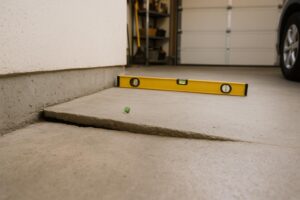
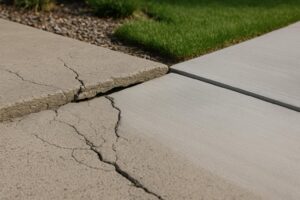
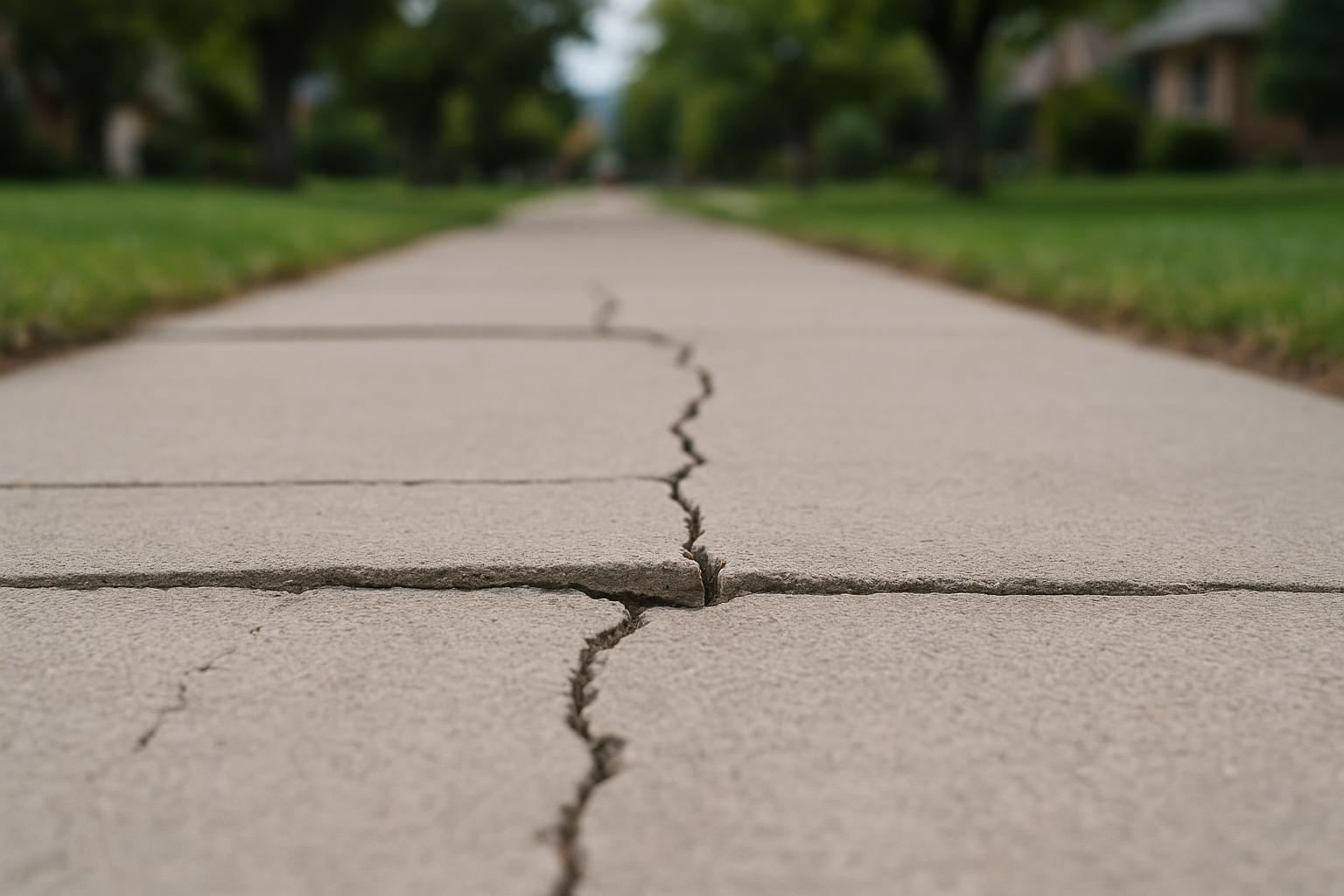
Living in Denver means enjoying stunning mountain views and distinct seasons. However, these same seasonal shifts, from snowy winters to hot, dry summers, can take a significant toll on your home’s concrete surfaces. If you’ve noticed your driveway, patio, or walkway becoming uneven, cracked, or sunken, you’re not alone. This is a common issue for Denver homeowners, directly linked to our unique climate and soil conditions. Understanding why this happens is the first step toward a lasting solution that protects your property’s value and safety.
The Main Culprits Behind Sinking Concrete in Denver
Winter’s Freeze-Thaw Cycle
One of the biggest challenges for concrete in Colorado is the freeze-thaw cycle. During winter, moisture from snowmelt or rain seeps into the soil beneath your concrete slabs. When temperatures plummet overnight, this water freezes and expands, exerting immense upward pressure on the concrete, a process known as “heaving.” As the temperature rises during the day, the ice thaws, and the soil contracts, often leaving a void. This repeated cycle weakens the soil’s support, causing the heavy concrete slab to settle and sink into the newly formed gap.
Expansive Clay Soil
Much of the Denver Front Range is built on expansive clay soils, rich in minerals like bentonite. This type of soil acts like a sponge; it can swell dramatically—up to 20% in volume—when it absorbs water from heavy rain or snowmelt. This swelling pushes slabs upward. Conversely, during our hot, dry summers, the clay shrinks as it dries out, pulling away from the concrete and causing it to sink. This constant cycle of expansion and contraction creates unstable ground, leading to cracked and uneven surfaces.
Summer Soil Erosion
Summer brings its own set of challenges. Heavy thunderstorms, a common feature of Denver summers, can lead to significant water runoff. If your property has improper drainage, this water can flow beneath your concrete slabs, washing away the underlying soil. This erosion creates voids and unsupported areas, leaving the concrete susceptible to cracking and sinking under its own weight.
When Is the Best Time for Concrete Lifting in Denver?
While concrete lifting can be performed in most weather conditions, certain seasons offer distinct advantages for tackling these repairs and preventing further damage.
Spring & Summer
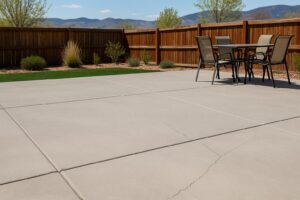
These seasons are often considered ideal for concrete repair. The ground is thawed, allowing for stable and predictable results. Addressing winter damage in the spring or summer restores your patios and walkways just in time for outdoor entertaining and ensures your property is safe and looks its best during the sunniest months.
Fall
Autumn provides another excellent window for concrete lifting. The moderate temperatures are favorable for the repair process. More importantly, fixing uneven slabs before winter arrives is a crucial preventative measure. It eliminates dangerous trip hazards that can be hidden by snow and ice and prevents the harsh winter freeze-thaw cycle from worsening existing cracks and voids.
Did You Know?
- Colorado’s expansive soils can exert pressure of up to 30,000 pounds per square foot on a foundation, enough to cause significant structural damage.
- Polyurethane foam is hydrophobic, meaning it repels water. This prevents future erosion and washout, creating a more stable and permanent base under your concrete compared to soil or traditional slurry.
- Even a small, hairline crack in your concrete can allow gallons of water to penetrate the soil below during a single heavy rainstorm, accelerating the settlement process.
The Modern, Minimally Invasive Solution: Polyurethane Foam Injection
Gone are the days of disruptive and costly concrete replacement. At Elevate Concrete Lifting, we utilize high-density polyurethane foam injection—a state-of-the-art technique that offers a faster, cleaner, and more durable solution. This method is particularly effective in addressing the challenges of Denver’s climate.
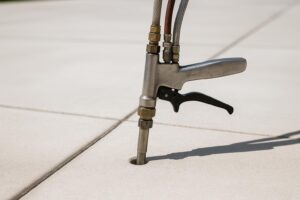
The process is straightforward: small, dime-sized holes are drilled through the sunken slab, and the two-part polymer foam is injected beneath it. The foam expands, filling every void and gently lifting the concrete back to its original, level position. It’s a precise and controlled process that stabilizes the soil and provides long-lasting support.
| Feature | Polyurethane Foam Lifting | Traditional Mudjacking |
|---|---|---|
| Cure Time | 15-30 minutes; ready for use same day | 24-72 hours |
| Hole Size | 5/8″ (dime-sized) | 1.5″ – 2″ (golf ball-sized) |
| Weight | Lightweight (2-4 lbs/cu. ft.), does not burden soil | Heavy (100-110 lbs/cu. ft.), adds significant weight |
| Durability | Waterproof, resists erosion and freeze-thaw cycles | Can erode, wash out over time, or shrink |
| Cold Weather Performance | Highly effective; material can be heated and is less affected by cold. | Difficult; water-based slurry can freeze and equipment can fail. |
Protect Your Denver Property Value and Safety
Uneven concrete is more than just an eyesore; it’s a significant liability. Sunken driveways can direct water toward your foundation, while uneven sidewalks and patios create serious trip hazards for your family and guests. In Denver’s active real estate market, maintaining your property’s curb appeal and structural integrity is paramount. By addressing sunken concrete with a professional lifting service, you are not only enhancing safety but also making a smart investment in your home’s long-term value.
Ready to Restore Your Concrete?
Don’t let seasonal damage compromise the safety and beauty of your Denver property. The experienced team at Elevate Concrete Lifting is here to provide a reliable, minimally invasive, and long-lasting solution.
Frequently Asked Questions
How long does polyurethane concrete lifting take?
Most residential projects, like driveways or patios, are completed in just a few hours. The foam cures rapidly, and you can typically walk on the surface within 30 minutes of the repair, and drive on it a few hours later.
Is polyurethane foam environmentally friendly?
Yes. The polyurethane foam we use is inert, stable, and will not leach chemicals into the surrounding soil. It’s a clean process that is safe for your landscaping, family, and pets.
Will the repaired concrete sink again?
Polyurethane foam provides a durable and permanent solution. By compressing and stabilizing the underlying soil and resisting water erosion, it addresses the root cause of the settlement. This makes it a much more reliable long-term fix than traditional methods.
Is concrete lifting cheaper than replacement?
Absolutely. Concrete lifting typically costs a fraction of the price of tearing out and replacing the entire slab. It also avoids the mess, disruption, and landfill waste associated with demolition and replacement.
Can you lift concrete if the ground is frozen?
Lifting exterior concrete when the ground is frozen solid is challenging for any method because the ice can act as an adhesive. However, polyurethane foam is far less limited by cold temperatures than mudjacking and is highly effective for interior projects (like garages or basements) year-round. We can successfully perform exterior lifts in many winter conditions as long as the ground isn’t deeply frozen.
Glossary of Terms
Polyurethane Foam Injection
A concrete lifting technique where a two-component structural foam is injected under a concrete slab. The foam expands to fill voids, stabilize soil, and lift the slab back into place.
Freeze-Thaw Cycle
The process where water seeps into porous materials or soil, freezes and expands, and then thaws and contracts. This repeated cycle exerts pressure that can damage concrete and cause soil settlement.
Expansive Soil
Soils that contain a high concentration of clay minerals (like bentonite) which cause them to swell significantly when they absorb water and shrink when they dry out.
Slab Heaving
The upward movement of a concrete slab caused by the expansion of freezing water or swelling soil beneath it.