

Proactive Maintenance for Your Colorado Outdoor Living Space
Your patio is more than just a slab of concrete; it’s an extension of your home, a place for summer barbecues, quiet morning coffees, and memories with family and friends. Here in Colorado, we cherish our outdoor living spaces. However, the unique and often harsh Front Range climate can take a toll on concrete surfaces, leading to cracks, sinking, and uneven slabs. Many homeowners wait until these problems become significant hazards before taking action, often facing a complete and costly replacement. But there is a better way. Preventative concrete repair can not only save you from future headaches and expenses but also significantly extend the functional life and beauty of your patio.
Why Preventative Repair is Crucial for Denver Patios
The ground beneath our feet in the Denver area is often composed of expansive clay soils. These soils swell with moisture and shrink dramatically when they dry out. This constant movement creates voids beneath your concrete patio. Add in our notorious freeze-thaw cycles, where water seeps into tiny cracks, freezes, expands, and widens the gap, and you have a recipe for concrete failure.
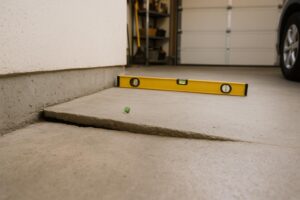
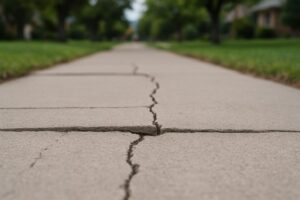
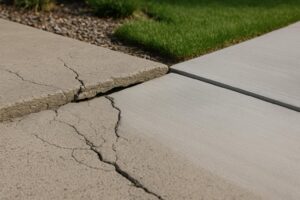
Early warning signs might seem minor at first—a small hairline crack, a corner that holds water after it rains, or one slab sitting just slightly lower than another. Ignoring these small symptoms allows the underlying problems to worsen. Water continues to erode the soil base, leading to larger voids and more significant sinking. This not only looks bad but creates dangerous trip hazards. Addressing these issues early with residential concrete lifting is the key to long-term stability and safety.
The financial benefit is clear: proactive maintenance and minor repairs are far more affordable than tearing out and replacing an entire patio. A full replacement involves demolition, removal, site preparation, and pouring new concrete—a disruptive, time-consuming, and expensive process. Preventative care protects your initial investment and keeps your outdoor space safe and usable for years to come.
Key Techniques for Preventative Concrete Repair
Modern technology offers incredibly effective and minimally invasive methods to preserve your concrete. The two most vital preventative measures are lifting sunken slabs and sealing off weak points.
Polyurethane Foam Injection (Poly-Lifting)
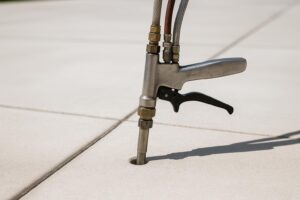
When a concrete slab begins to sink, it’s because the soil beneath it can no longer offer adequate support. Polyurethane foam injection is a state-of-the-art solution that addresses this problem at its source. The process is clean and efficient:
- Strategic Injection: Our team drills a few small, dime-sized holes into the sunken slab.
- Foam Application: A two-part, high-density polyurethane foam is injected through these holes into the voids below.
- Expansion and Lifting: The foam undergoes a chemical reaction and expands, filling the void, compacting the loose soil, and gently lifting the concrete back to its original level.
- Rapid Curing: The foam cures in minutes, becoming a strong, stable, and waterproof base. Your patio is ready for foot traffic the very same day.
This technique is the ideal preventative measure because it stabilizes the soil and reinforces the slab before significant sinking occurs, stopping problems in their tracks.
Crack and Joint Sealing
Cracks are the enemy of longevity. They are open invitations for water to penetrate beneath your patio. Effective concrete crack repair and joint sealing is a critical preventative step. By professionally sealing these cracks and the control joints in your patio with flexible, durable sealant, you create a watertight barrier. This stops the cycle of water intrusion and erosion, preventing the soil washout that leads to sinking slabs and further cracking. It’s a simple, cost-effective service that pays dividends in extending your patio’s lifespan.
Polyurethane Foam vs. Traditional Methods
| Feature | Polyurethane Foam Injection | Traditional Mudjacking |
|---|---|---|
| Invasiveness | Small, 5/8″ holes (dime-sized) | Large, 1-2″ holes (golf ball-sized) |
| Material Weight | Lightweight (2-4 lbs/cu. ft.) – doesn’t burden soil | Heavy (100-120 lbs/cu. ft.) – adds significant weight |
| Cure Time | Ready in ~30 minutes | Requires 24-48 hours to cure |
| Water Resistance | Hydrophobic; repels water and will not wash out | Slurry can wash away or erode over time |
Quick Facts
Soil Stabilization
Polyurethane foam not only lifts concrete but also compacts the underlying soil, creating a more stable foundation to prevent future sinking.
Same-Day Use
A patio lifted with poly foam is typically ready for furniture and foot traffic within 30 minutes of completing the job.
Environmentally Sound
The cured polymer is inert, non-toxic, and composed of 39-49% renewable and recycled materials, making it a sustainable choice.
Protecting Your Denver Patio Through the Seasons
Living in Denver means adapting to a unique climate. The intense summer sun, heavy winter snow, and rapid temperature shifts all put stress on your concrete. Being proactive is essential. Inspect your patio each spring after the snow melts to spot new cracks or areas of settlement. Proper drainage is also key—ensure downspouts direct water away from your patio foundation.
As a local Denver company, the team at Elevate Concrete Lifting has firsthand experience with these specific challenges. We understand the soil and weather conditions of the Front Range and provide services tailored to protect your property from them.
Ready to Protect Your Patio Investment?
Don’t wait for a small issue to become a major expense. Our expert team can assess your patio’s condition and recommend a plan to ensure its safety and longevity.
Frequently Asked Questions
How much does preventative concrete repair cost?
The cost of preventative repair, like poly foam injection or crack sealing, is significantly less than the cost of full concrete replacement. The final price depends on the size of the area and the extent of the underlying issues. We provide a detailed, free estimate to give you a precise quote.
How long does the poly foam injection process take?
Most residential patio lifting projects are completed within a few hours. Because the foam cures so quickly, you can walk on your patio and replace your furniture almost immediately after we finish.
Is polyurethane foam environmentally safe?
Yes. The polyurethane foam we use is environmentally inert and non-toxic once cured. It will not leach chemicals into the surrounding soil. It is a safe and responsible choice for properties in the Denver area.
When is the best time of year to repair my patio in Colorado?
The ideal time for concrete repair is during the warmer months—typically from spring through fall—when the ground is not frozen. This allows for proper assessment and ensures the materials cure correctly. Addressing issues in the spring or summer prevents them from worsening during the next freeze-thaw cycle.
Glossary of Terms
Polyurethane Foam Injection (Poly-Lifting): A modern concrete leveling technique that uses expanding, high-density foam to lift and stabilize sunken slabs from below.
Expansive Soil: A type of soil, common in Colorado, that swells significantly when it absorbs water and shrinks when it dries, causing ground instability.
Freeze-Thaw Cycle: The damaging process where water seeps into concrete pores or cracks, freezes (expands), and then thaws, weakening and breaking the concrete over time.
Trip Hazard: An uneven difference between two adjacent surfaces (e.g., concrete slabs) that poses a risk of tripping and falling.
One Response
https://shorturl.fm/qTYvT