

Your Guide to Seasonal Concrete Lifting in the Denver Area
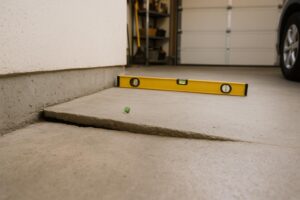
Living in Glendale and the wider Denver area, we experience a full range of beautiful but demanding seasons. From intense summer sun to heavy winter snows, these dramatic shifts don’t just affect our weekend plans—they have a significant impact on the concrete surfaces around our homes. Driveways, patios, sidewalks, and pool decks are under constant pressure from Colorado’s dynamic climate. Over time, this can lead to sinking, cracking, and uneven slabs, creating trip hazards and diminishing your property’s curb appeal and value.
Understanding why this happens and, more importantly, when to address it, is key to maintaining a safe and attractive property. This guide breaks down how each season affects your concrete and explains the ideal times for professional concrete lifting and repair.
The Unstable Ground Beneath Your Feet: How Seasons Cause Concrete to Shift
The primary culprit behind sinking concrete in Colorado is the soil. Much of the Front Range, including Glendale, has expansive clay soil. This type of soil acts like a sponge; it swells dramatically when it absorbs water and shrinks just as much when it dries out. This constant cycle of expansion and contraction creates unstable ground beneath heavy concrete slabs, leading to settlement and voids.
Winter’s Wrath: The Freeze-Thaw Cycle
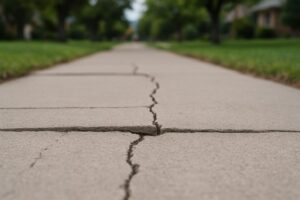
Winter in Denver is particularly harsh on concrete. The “freeze-thaw” cycle is a powerful force of nature. Water from melting snow seeps into small cracks and pores in the concrete and the soil beneath. When temperatures plummet overnight, this water freezes and expands by about 9%, exerting immense pressure from within. This repeated process widens existing cracks, weakens the concrete’s internal structure, and can cause the ground to heave upwards. As it thaws, the soil contracts, leaving voids that cause slabs to settle unevenly.
Spring Showers & Summer Heat
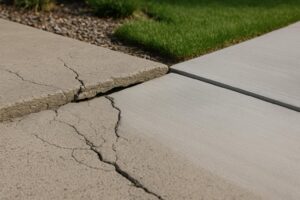
Spring often brings heavy rains and rapid snowmelt, saturating the expansive soil and causing it to swell. This can lead to erosion, washing away the base material supporting your concrete. Following the wet spring, Colorado’s hot, dry summers cause the clay soil to shrink and crack. This shrinkage creates voids beneath the concrete slabs. The weight of the concrete, unsupported from below, causes it to sink and crack, creating uneven surfaces and dangerous trip hazards.
Did You Know?
Expansive soils can exert pressure up to 30,000 pounds per square foot—more than enough force to lift a house and easily crack a concrete driveway or patio. Addressing soil and drainage issues is crucial for a long-term solution.
The modern Solution: Polyurethane Foam Injection
For decades, the primary method for lifting concrete was “mudjacking,” a process that involves pumping a heavy cement slurry under the slab. While effective, it’s also invasive, messy, and the weight of the material can sometimes contribute to further settling over time.
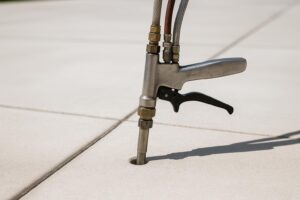
Today, there’s a superior alternative: Polyurethane Foam Injection. At Elevate Concrete Lifting, this is our specialty. This modern technique provides a minimally invasive, fast, and long-lasting solution for lifting and leveling concrete. It’s a clean process that restores your concrete surfaces without the need for costly and disruptive replacement.
How Foam Injection Works
- Small Holes are Drilled: We drill a few small, dime-sized holes through the sunken slab.
- Foam is Injected: A high-density, two-part polyurethane foam is injected into the holes. As the components mix, the foam expands beneath the slab.
- Slab is Lifted: This expansion fills any voids, stabilizes the soil, and precisely lifts the concrete back to its original, level position.
- Holes are Patched: The small holes are patched with cement. The surface is ready for use almost immediately—typically within 30 minutes.
When is the Best Time for Concrete Lifting in Glendale?
Timing your concrete repair can maximize the longevity and effectiveness of the solution. While repairs can be done in most weather conditions, certain seasons offer optimal ground stability for the best results.
Late Summer & Early Fall
This is widely considered the ideal window for concrete lifting in the Denver area. During late summer and early fall, the soil has typically dried out from the spring moisture and summer heat, making it more stable and compact. Leveling concrete on this firm base ensures the repair is less likely to be affected by subsequent soil movement. Furthermore, fixing issues before winter prevents the freeze-thaw cycle from turning small problems into major damage.
Late Spring & Early Summer
This period after the heavy spring rains have subsided can also be a good time for repairs. The ground is settling from the winter, and addressing problems now means you can enjoy safe, level surfaces throughout the peak outdoor season. Summer’s warm, dry weather also helps the polyurethane foam cure quickly, minimizing disruption to your routine.
Protecting Your Glendale Property
As a homeowner or property manager in Glendale, being proactive is your best defense against costly concrete replacement. Sunken or cracked concrete isn’t just an eyesore; it poses a significant safety risk and can lead to drainage issues that may even affect your home’s foundation. Addressing these issues with professional residential concrete lifting is a smart investment in your property’s safety and value.
Our expert team at Elevate Concrete Lifting has the local knowledge and technical skill to provide a lasting solution tailored to Colorado’s unique environmental challenges. We specialize in minimally invasive polyurethane foam injection to restore your concrete surfaces quickly and effectively.
Restore Your Concrete, Elevate Your Property
Don’t wait for a small crack to become a major hazard. If you’ve noticed uneven sidewalks, a sinking driveway, or a cracked patio, now is the time to act. The team at Elevate Concrete Lifting is here to help homeowners and businesses across Glendale and the Denver metro area.
Frequently Asked Questions (FAQ)
How long does polyurethane concrete lifting take?
Most residential projects, like driveways or patios, can be completed in just a few hours. The concrete is typically ready for foot traffic in about 30 minutes and vehicle traffic a few hours later, making it an incredibly convenient solution.
Is polyurethane foam environmentally safe?
Yes. The polyurethane foam we use is inert and stable once cured. It will not react with soil or leach harmful chemicals into the ground, making it a safe choice for your property and the environment.
Is concrete lifting cheaper than replacing the concrete?
Absolutely. Concrete lifting and leveling with polyurethane foam is typically a fraction of the cost of tearing out and pouring new concrete. It also saves you the mess, time, and disruption associated with a full replacement project.
How can I prevent my concrete from sinking in the future?
Proper water management is key. Meticulously seal any cracks in your concrete. Ensure that downspouts and sprinklers direct water away from your foundation and concrete slabs. Also, make sure the soil grade slopes away from these areas to prevent water from pooling and saturating the ground underneath.
Glossary of Terms
Expansive Clay Soil: A type of soil rich in clay minerals that swells significantly when it absorbs water and shrinks when it dries. This movement is a primary cause of foundation and concrete slab problems in Colorado.
Freeze-Thaw Cycle: The process where water seeps into porous materials like concrete, freezes, expands, and then thaws. This repeated cycle exerts pressure that can cause cracking, scaling, and heaving.
Polyurethane Foam Injection: A modern concrete lifting technique that uses a high-density, expanding polymer foam injected beneath a slab to lift, level, and stabilize it.
Slab Settlement: The sinking or dropping of a concrete slab, often caused by voids in the underlying soil created by water erosion or soil shrinkage.
Void: An empty space or gap in the soil beneath a concrete slab. Voids leave the slab unsupported, leading to cracking and settlement.
One Response
https://shorturl.fm/CLhnd