
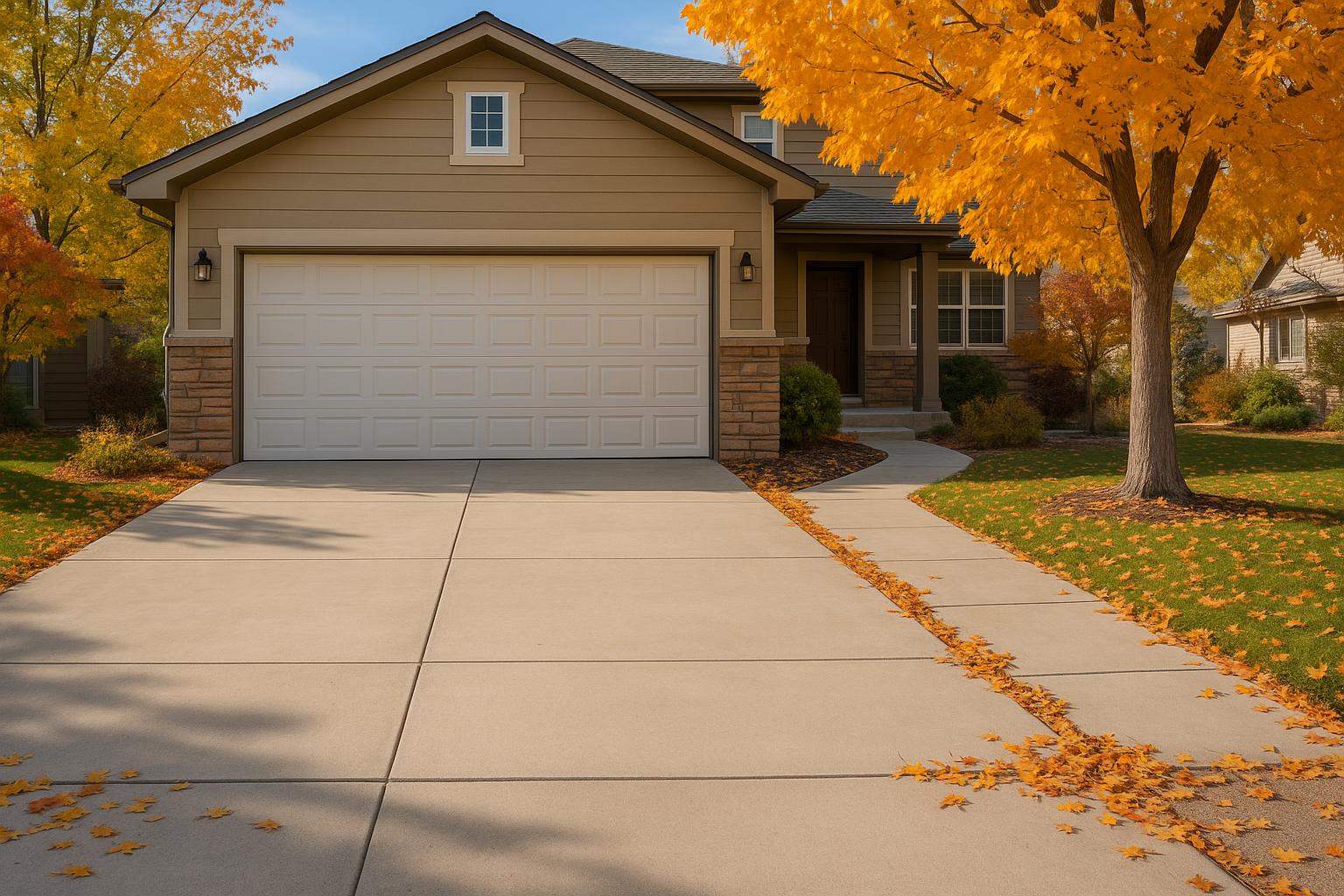
Prepare Your Concrete for Winter and Protect Your Property’s Value
As the vibrant colors of autumn appear across Colorado, it signals the perfect time for homeowners to turn their attention to their property’s concrete surfaces. Fall isn’t just about leaf-peeping and cooler temperatures; it’s a critical window for preparing your driveway, patio, walkways, and steps for the harsh winter ahead. The notorious Colorado freeze-thaw cycle can wreak havoc on unmaintained concrete, turning minor issues into major, costly problems. This fall checklist will guide you through the essential steps to inspect, repair, and protect your concrete, ensuring it remains safe, stable, and attractive for years to come.
Your Essential 5-Step Fall Concrete Checklist
Step 1: Conduct a Thorough Visual Inspection
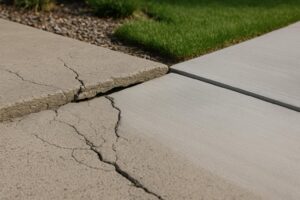
Begin with a careful walk-around of your property. Look closely at all concrete slabs. Are there hairline cracks or wider fissures on your driveway? Do you see sections of your sidewalk or patio that are noticeably lower than adjacent ones? This sinking or settling is often a sign of underlying soil erosion. Also, check for surface damage like pitting or spalling (flaking), which indicates the top layer of the concrete is weakening. Note any areas where water pools after it rains, as this is a red flag for poor drainage and potential settling.
Step 2: Clean All Concrete Surfaces
Before any repairs can be made, your concrete must be clean. Use a pressure washer or a stiff-bristled brush with a quality concrete cleaner to remove dirt, grime, oil stains, and organic matter like moss or algae. A clean surface not only looks better but is essential for proper repair. It allows for better adhesion of sealants and fillers and reveals the full extent of any cracks or damage that might have been hidden by debris. This step also prevents stains from setting in permanently over the winter.
Step 3: Address Sunken and Uneven Slabs
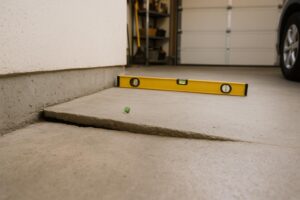
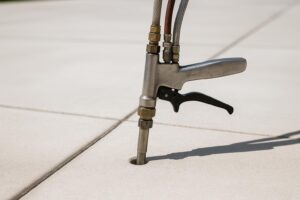
Uneven concrete is more than just an eyesore; it’s a serious trip hazard. A sunken sidewalk, patio slab, or driveway section can lead to falls and injuries, creating a liability for you as a homeowner. Fortunately, replacing the entire slab is often unnecessary. Modern residential concrete lifting techniques offer a far more efficient and affordable solution. At Elevate Concrete Lifting, we specialize in polyurethane foam injection, a minimally invasive method that drills small, penny-sized holes into the slab and injects high-density foam beneath it. The foam expands, lifting the concrete back to its original position and stabilizing the soil below to prevent future sinking.
Step 4: Fill Cracks and Seal Joints
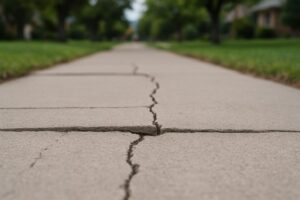
Even a small crack can become a massive problem during a Colorado winter. Water seeps into the crack, freezes, expands, and forces the crack wider. This freeze-thaw cycle repeats, breaking down the concrete from the inside out. To prevent this, it’s vital to address any fissures with professional concrete crack repair. For control joints (the lines intentionally cut into your concrete) and expansion gaps, ensuring they are properly sealed is equally important. Professional crack and joint sealing uses flexible, durable sealants that prevent water infiltration while allowing for the natural expansion and contraction of the concrete, protecting its structural integrity.
Step 5: Consider Professional Sealing and Enhancements
Applying a professional-grade penetrating sealant is one of the best preventative measures you can take. A quality sealant creates an invisible barrier that repels water, de-icing chemicals, and oil, which can cause surface deterioration. Fall is also an excellent time to think about aesthetic upgrades. After repairs are complete, you can enhance your landscape with attractive and durable concrete borders or edging, which add a polished look to your garden beds and walkways.
Did You Know?
- The expansive soils common in the Denver area swell when wet and shrink when dry, contributing significantly to the sinking and heaving of concrete slabs.
- Polyurethane foam used for concrete lifting is hydrophobic, meaning it repels water. This helps create a waterproof barrier under your slab, preventing future erosion.
- A single trip-and-fall claim can cost a homeowner thousands of dollars. Proactively repairing uneven concrete is a small investment in safety and financial protection. These same principles apply to both homes and commercial properties.
The Colorado Climate Challenge: Why Proactive Concrete Care is Non-Negotiable in Denver
Living in Denver and across the Front Range means embracing a unique and often unpredictable climate. We experience rapid temperature swings, intense UV exposure, and a freeze-thaw cycle that is particularly damaging. Water melts during our sunny winter days, seeps into porous concrete, and then freezes and expands as temperatures plummet overnight. This cycle exerts incredible pressure, destroying concrete from within and destabilizing the soil beneath. Taking action in the fall, when temperatures are moderate and the ground is dry, is the most effective strategy for any Colorado homeowner looking to preserve their property’s foundation, driveway, and outdoor living spaces. It’s an investment that pays for itself by preventing costly tear-outs and replacements down the road.
Ready to Protect Your Concrete This Fall?
Don’t let winter catch you off guard. If you’ve noticed sinking slabs, trip hazards, or growing cracks, the time to act is now. The expert team at Elevate Concrete Lifting is here to provide a professional assessment and lasting solutions for homeowners throughout the Denver area.
Frequently Asked Questions
Why is fall the best time for concrete repair in Colorado?
Fall offers moderate temperatures that are ideal for the curing of repair materials and sealants. More importantly, it allows you to fix problems before the damaging freeze-thaw cycles of winter begin, preventing issues from worsening.
What’s the difference between concrete lifting and replacement?
Concrete lifting, or poly-jacking, repairs the existing slab by lifting it back into place from below. It’s faster (usable the same day), less expensive, and less disruptive than replacement, which involves demolition, removal, and pouring new concrete that takes weeks to cure.
How long does polyurethane foam injection take?
Most residential projects, such as a driveway or patio section, can be completed in just a few hours. The concrete is ready for normal use, including parking a car on it, the very same day.
Is polyurethane foam environmentally safe?
Yes. The high-density polyurethane foam we use is an inert, non-toxic material. It will not degrade or leach chemicals into the surrounding soil, making it a safe choice for your property and the environment.
Can all cracked or sunken concrete be repaired?
In most cases, yes. If the concrete itself is still in relatively good condition but has settled, it’s an excellent candidate for lifting. If the slab is severely broken into many small pieces, replacement might be the only option. We can provide a thorough evaluation and recommend the best course of action when you contact us for an estimate.
Glossary of Terms
Freeze-Thaw Cycle: The process where water penetrates concrete, freezes, expands, and then thaws. This repeated pressure cycle internally damages concrete and can cause cracks and spalling.
Polyurethane Foam Injection: A modern concrete lifting technique that uses expanding structural foam injected beneath a slab to lift it, fill voids, and stabilize the underlying soil. Also known as poly-lifting or poly-jacking.
Slab Settling: The sinking of a concrete slab due to soil compaction, erosion, or changes in moisture content beneath it.
Spalling: The flaking, chipping, or peeling of the top surface of concrete, often caused by moisture damage from the freeze-thaw cycle.
One Response
https://shorturl.fm/XAaPA